How to Prepare Your Car for Winter in New Haven County
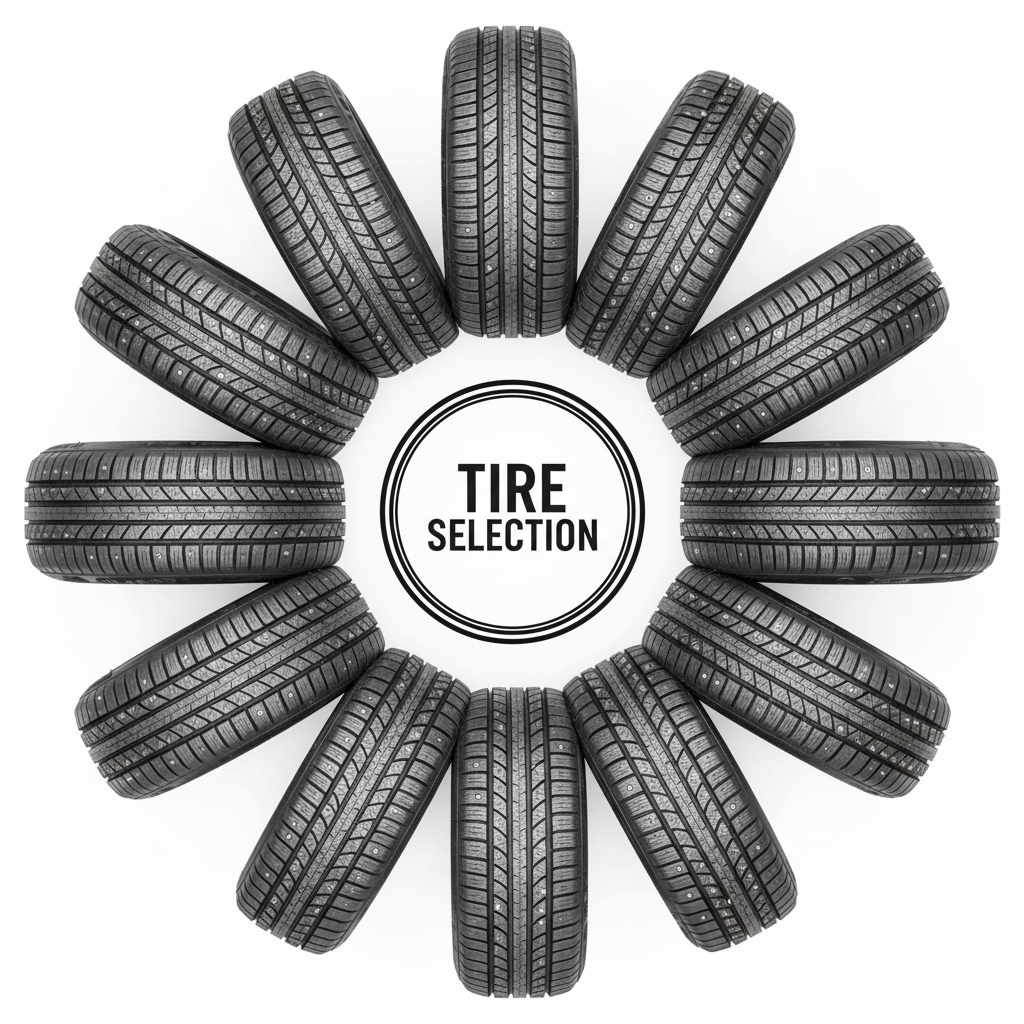
Check Your Tires
Ensuring your tires are ready for winter is crucial for safe driving in New Haven County. Start by checking the tire tread depth. A depth of at least 2/32 of an inch is recommended for sufficient grip on icy roads. Consider switching to winter tires if you frequently drive in snowy conditions as they provide better traction.
Additionally, make sure your tires are properly inflated. Cold temperatures can cause tire pressure to drop, so check them regularly and inflate as needed. Properly inflated tires ensure better fuel efficiency and improved handling on slippery surfaces.
Inspect Your Battery
Car batteries can struggle in cold weather, making it important to inspect and service them before winter sets in. Check for any corrosion on the terminals and clean them if necessary. Ensure the battery is securely mounted and the connections are tight.
If your battery is more than three years old, consider having it tested by a professional. This can help you determine its ability to hold a charge and perform efficiently during the colder months. If needed, replace it to avoid unexpected breakdowns.
Top Up Fluids
Fluids are essential for keeping your car running smoothly during winter. Check the levels of your engine oil, coolant, and windshield washer fluid. It's advisable to use winter-grade oil as it flows more easily in cold temperatures, ensuring proper engine lubrication.
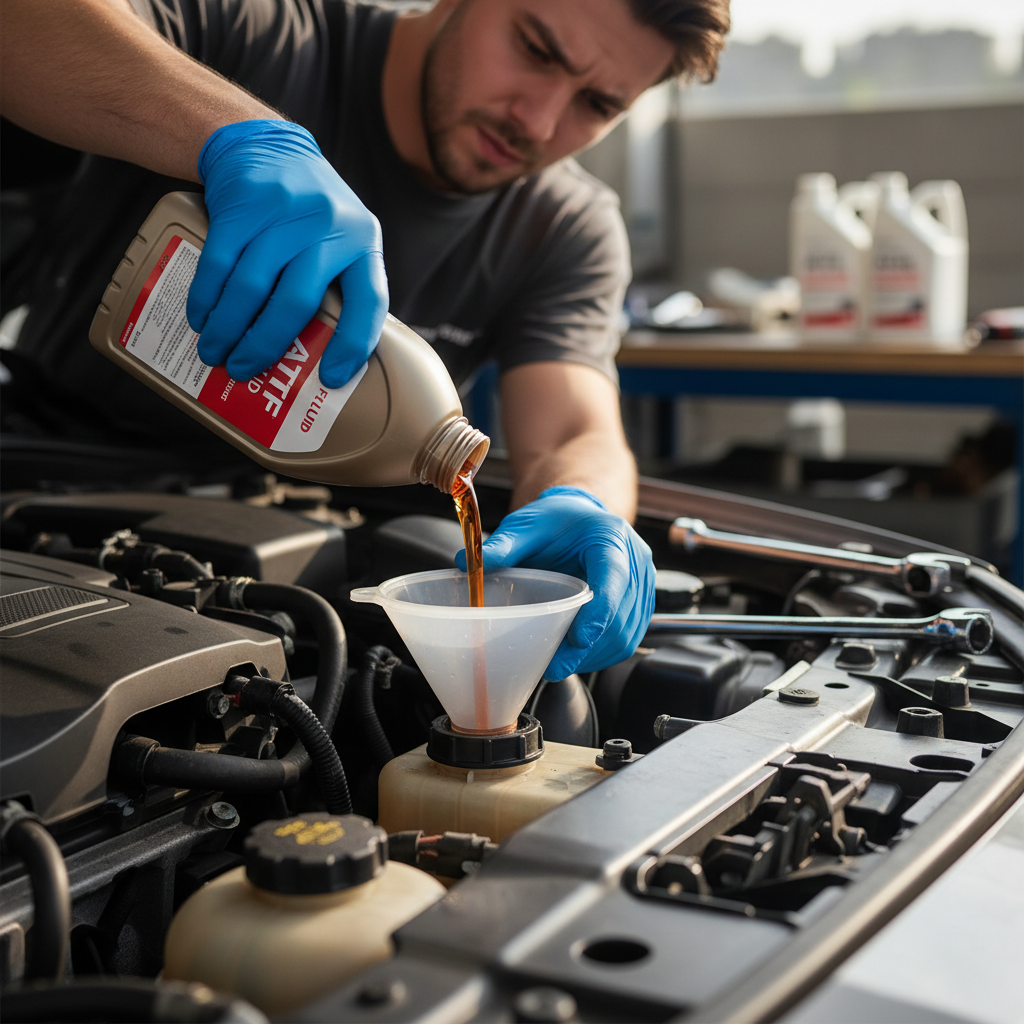
Ensure your coolant is at the appropriate level and has the correct mixture to prevent freezing. For your windshield washer fluid, use a solution that won't freeze, allowing you to maintain visibility during snowy or icy conditions.
Examine Your Brakes
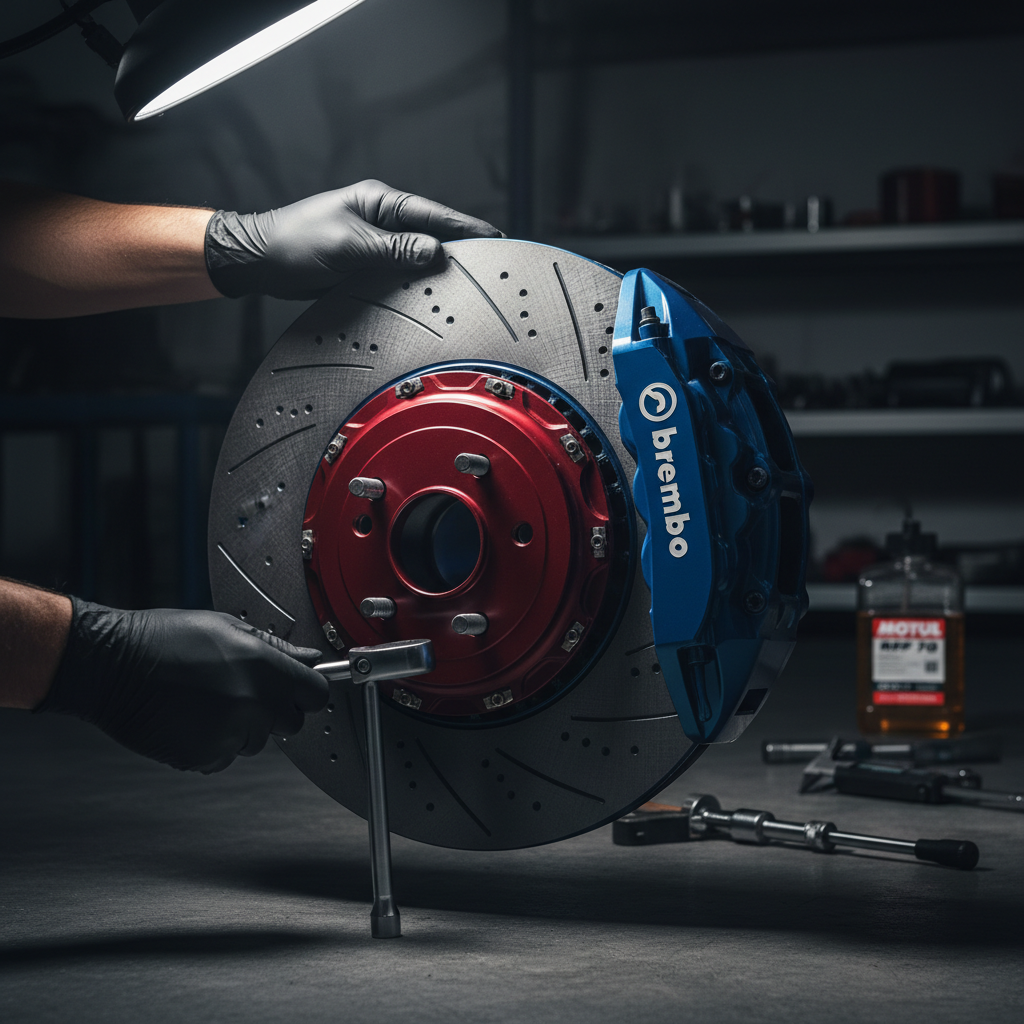
Brakes are key to safe driving on winter roads. Have your brake system inspected by a professional to ensure everything is in good working order. Check the brake pads for wear and replace them if needed.
Listen for any unusual sounds when applying the brakes, as this can indicate potential issues. Addressing these problems early can prevent more serious and costly damage later on.
Prepare an Emergency Kit
Having an emergency kit in your car can be a lifesaver during unexpected situations. Include items such as a flashlight, extra batteries, blankets, gloves, and non-perishable food. A first aid kit, jumper cables, and a spare tire with the necessary tools are also essential.
Consider adding a small shovel, ice scraper, and sand or kitty litter for traction in case you get stuck in the snow. Being prepared can make all the difference in an emergency.
Test Your Lights
Winter days are shorter, and visibility can be compromised by snow and fog. Ensure all your car lights are functioning correctly, including headlights, taillights, and turn signals. Replace any burnt-out bulbs promptly.

Consider cleaning the light covers, as dirt and grime can reduce their effectiveness. Keeping your lights in top condition ensures you can see and be seen on the road.
Maintain Your Wipers and Defrosters
Good visibility is crucial for safe winter driving. Check the condition of your windshield wipers and replace them if they are worn or streaking. Winter wiper blades are a good option as they handle ice and snow better.
Ensure your defrosters are working properly to keep your windshield and rear window clear of fog and ice. This will help maintain visibility and prevent accidents.