Case Study: Transforming a Classic Car with Advanced Detailing Techniques
Introduction to Classic Car Detailing
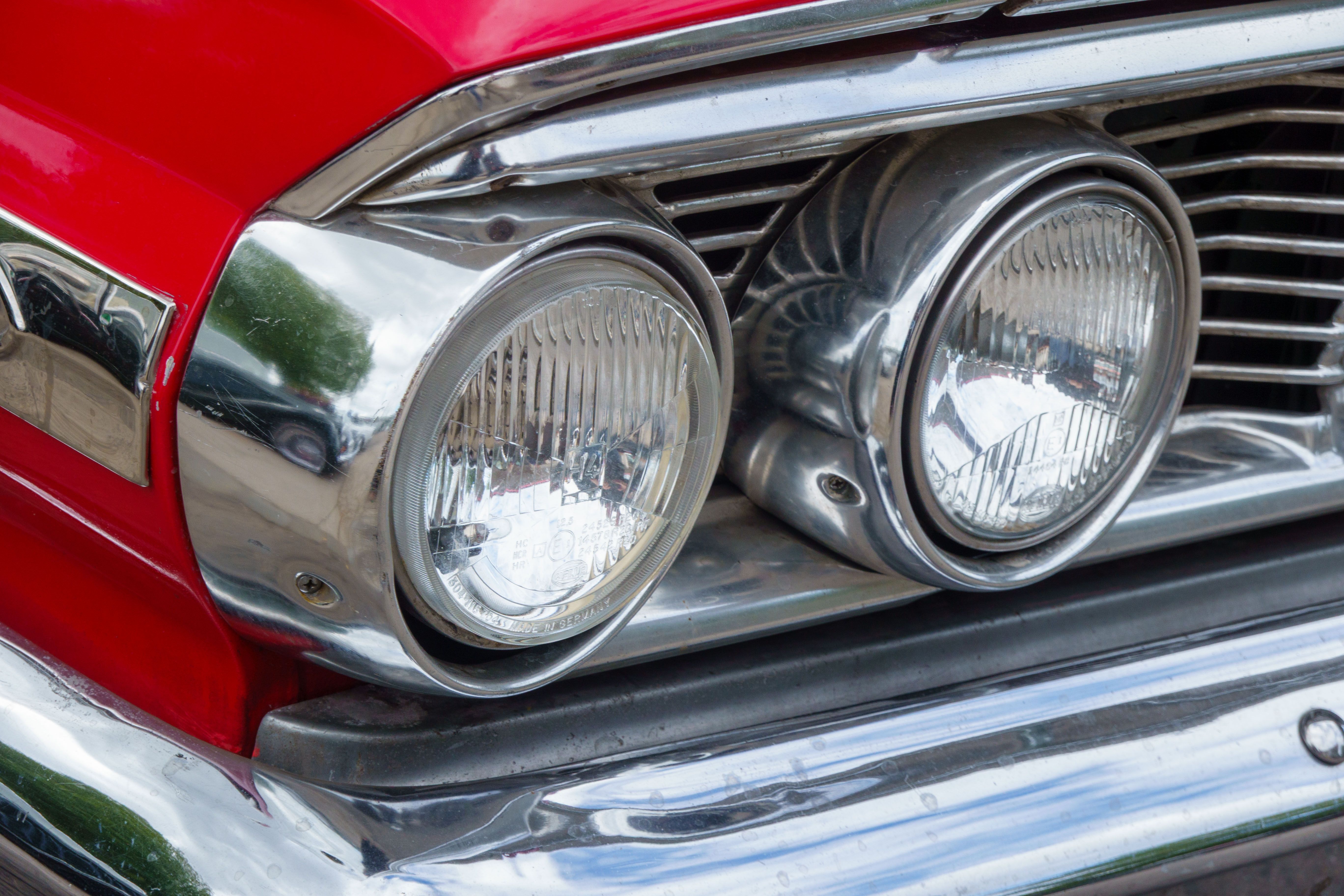
Reviving a classic car is more than just a restoration project; it's a journey through time, blending nostalgia with modern technology. Advanced detailing techniques play a crucial role in this transformation, breathing new life into vintage vehicles while preserving their original charm.
Detailing is often mistaken for simple car cleaning, but it goes much deeper, especially when dealing with classic cars. This process involves meticulous attention to every inch of the vehicle, ensuring that every component shines and functions as it did when the car first rolled off the production line.
The Importance of Proper Preparation
Before diving into the detailing process, it's essential to prepare the vehicle appropriately. This involves cleaning the car thoroughly to remove dirt and grime that can mask imperfections. It's crucial to inspect the car for any signs of rust or damage that might need addressing before moving forward with detailing.
Once the surface is clean, the next step involves claying the vehicle. This technique removes embedded contaminants that a regular wash cannot eliminate. For classic cars, claying is particularly important as it prepares the surface for polishing and waxing, which are fundamental in restoring the car's original luster.
Advanced Polishing Techniques
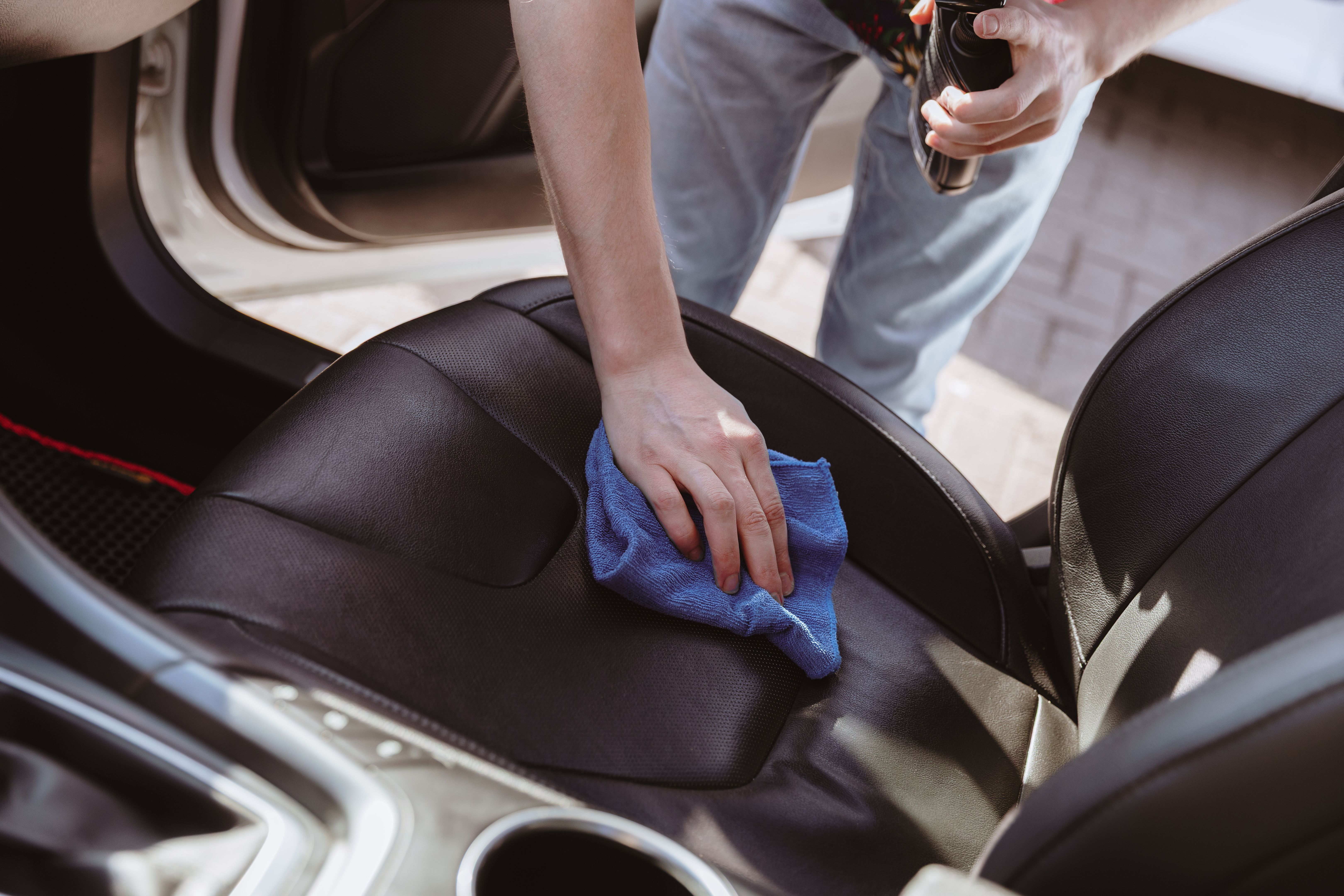
Polishing is an integral part of the detailing process, especially for classic cars. It helps in correcting paint imperfections like swirl marks, scratches, and oxidation. Using advanced polishing techniques, detailers can achieve a mirror-like finish that reflects the car's history and prestige.
Detailers often use a combination of machine polishing and hand polishing to ensure every surface is even and smooth. The choice of polish compounds is critical; it must be suitable for the type of paint used on the classic car, which might differ from modern formulations.
Choosing the Right Products
Using high-quality products is non-negotiable when detailing classic cars. The products must enhance the vehicle's appearance without compromising its historical value. This includes selecting the right waxes, sealants, and conditioners to protect the car's paint and interior materials.
Interior Detailing for Classic Cars
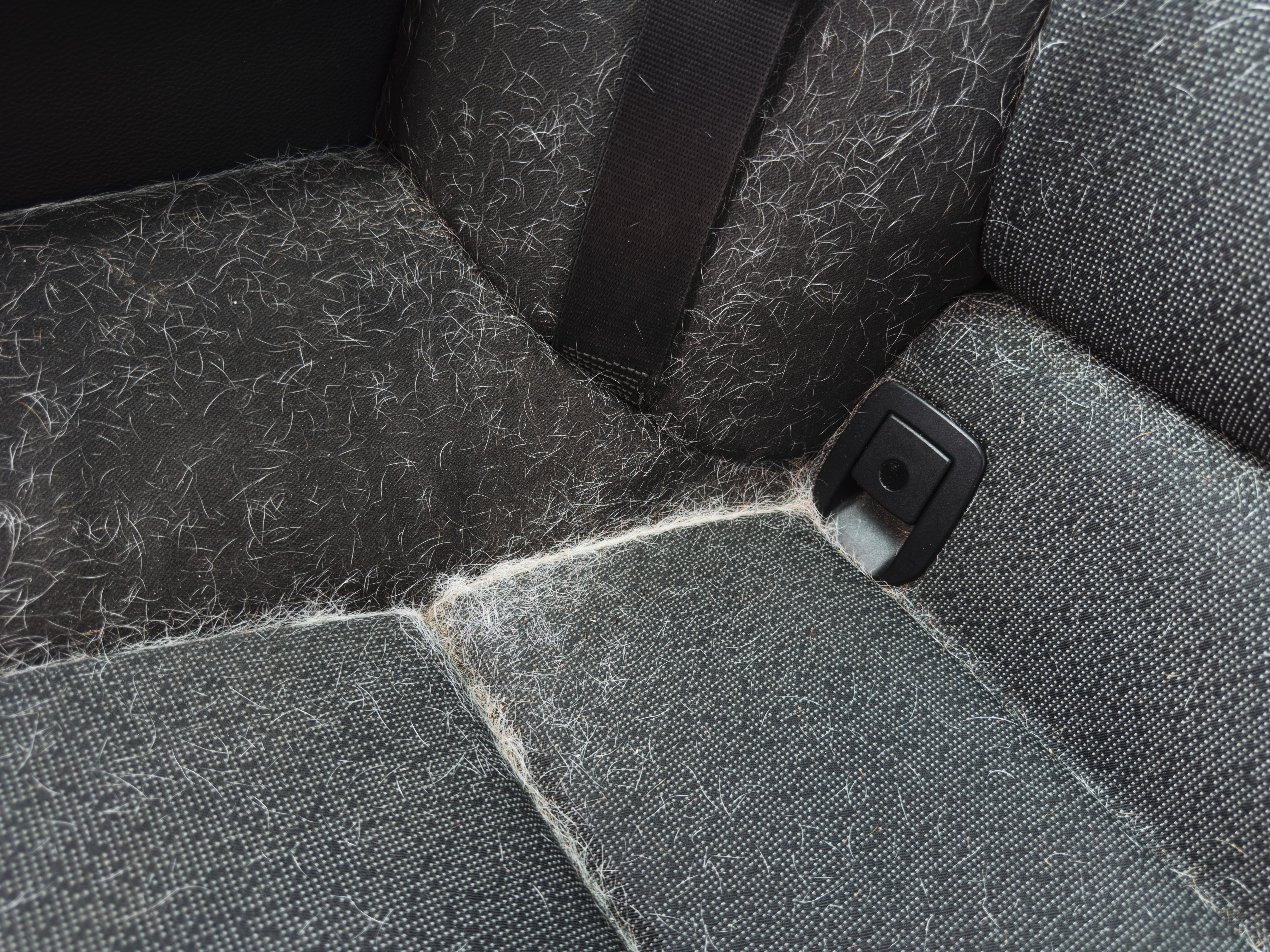
The interior of a classic car requires as much attention as the exterior. Advanced detailing techniques focus on cleaning and restoring leather seats, dashboards, and other components to their original condition. It's vital to use products specifically designed for vintage materials to avoid damage.
Detailers also pay close attention to small details like stitching, wood trim restoration, and chrome accents. These elements are essential in preserving the authenticity of a classic car's interior.
Final Touches and Protection
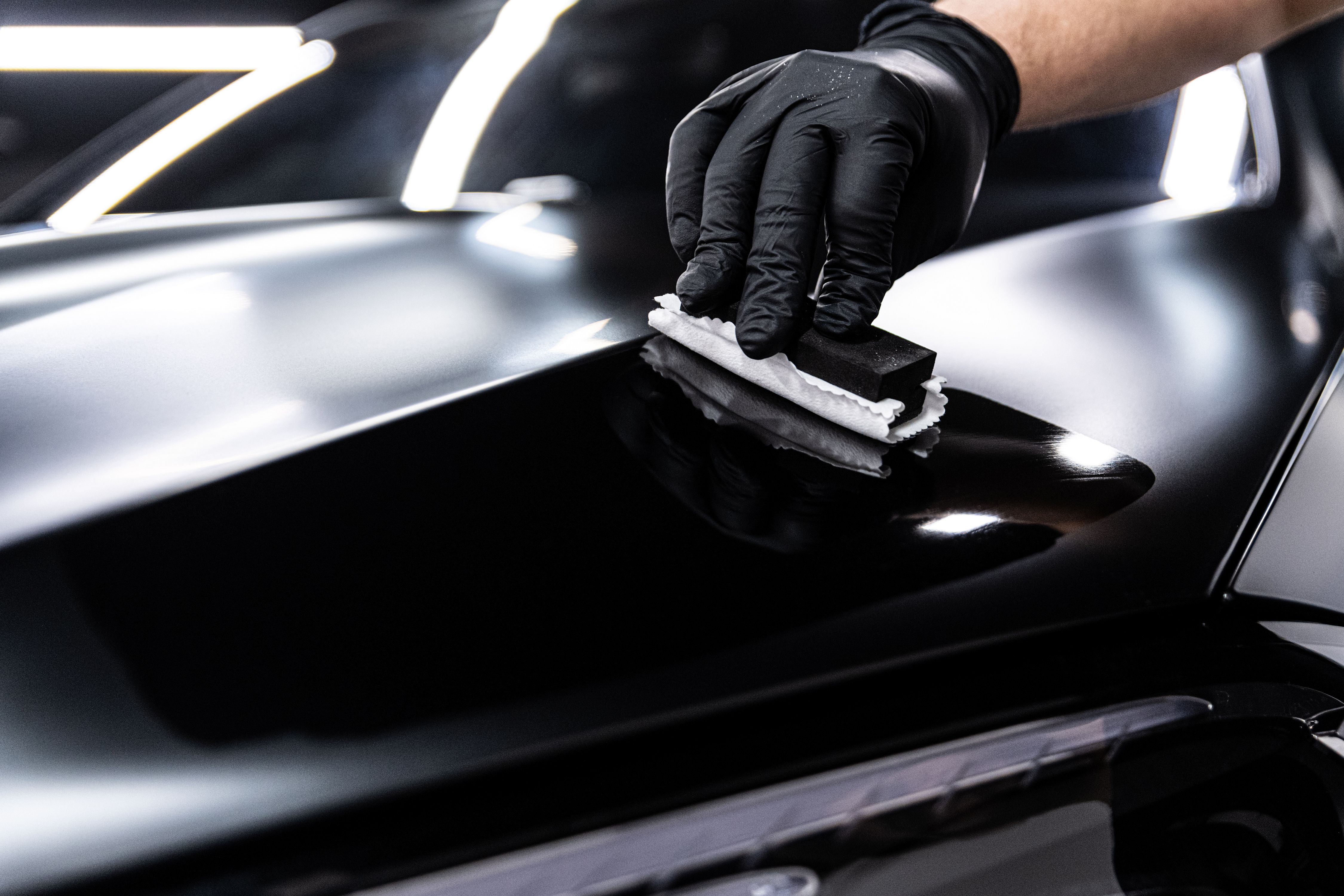
Once the exterior and interior have been meticulously detailed, it's time for the final touches. These include applying protective coatings that shield the car from future damage while enhancing its shine. Ceramic coatings are particularly popular for their long-lasting protection against environmental factors.
Regular maintenance is key to preserving the results of advanced detailing. Owners should follow a routine that includes washing, waxing, and conditioning to ensure their classic car remains in pristine condition. This ongoing care will keep their beloved vehicle shining for years to come.
Conclusion
Transforming a classic car with advanced detailing techniques is both an art and a science. It requires a deep understanding of vintage vehicles and a passion for preserving automotive history. Through meticulous attention to detail and the use of cutting-edge products, detailers can bring these timeless treasures back to their former glory, ensuring they continue to turn heads on every road they travel.